
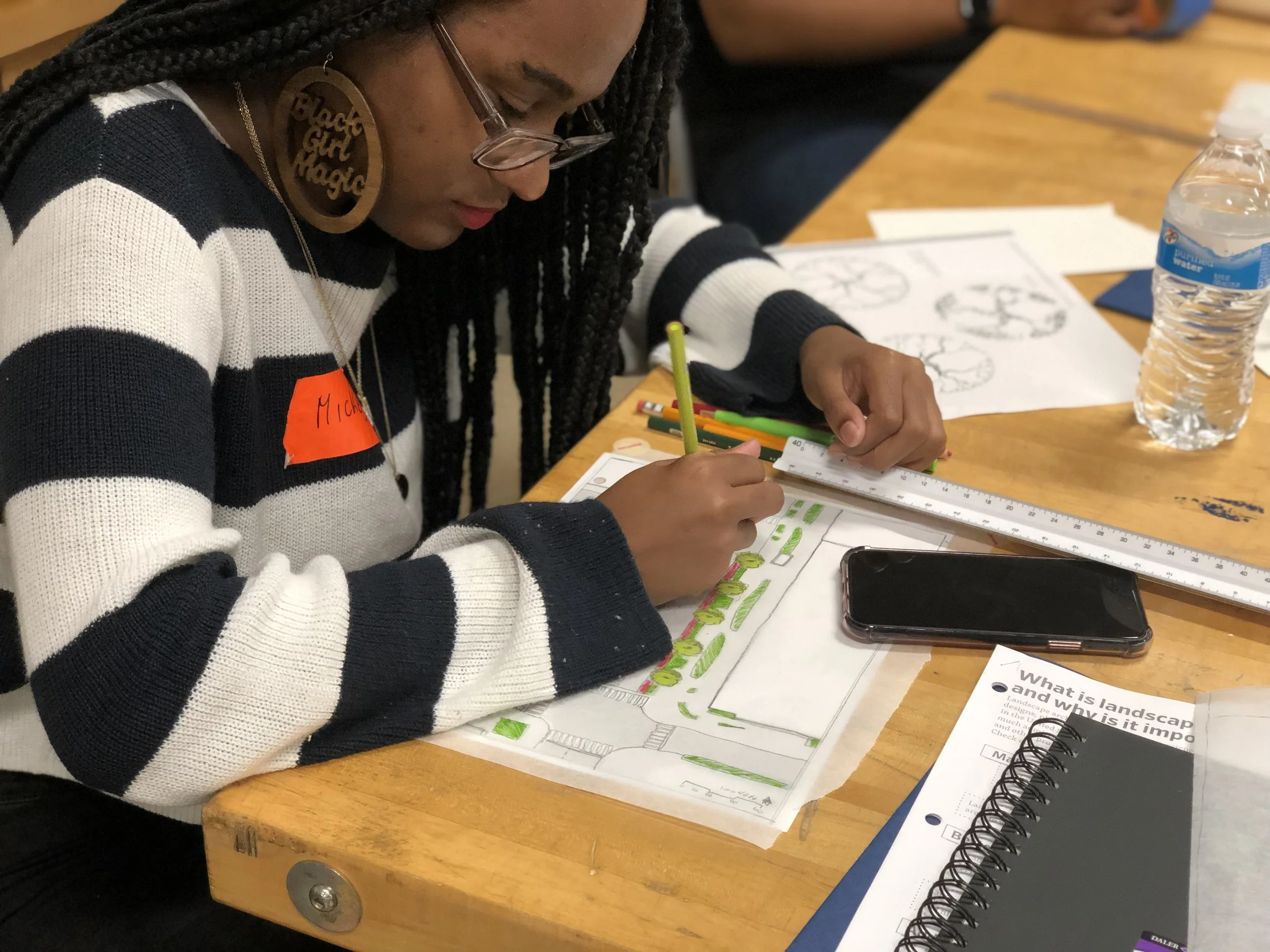
Studio DC

Washington, DC
Studio DC equipped young people from Wards 5 and 7 with the tools to analyze and redesign environmental conditions in their own neighborhoods. Students learned about stormwater in order to propose implementable solutions rooted in place, equity, and public space.
The program strengthened partnerships between schools, universities, public agencies, and the design community, creating a visible pathway into landscape architecture, planning, and environmental careers.
Designing a Greener DC
• 2021–2022•
Studio DC was a paid high school design studio funded through a Community Stormwater Solutions Grant from the DC Department of Energy & Environment
Using the city as a classroom, Studio DC engaged high school students from across Washington, D.C. in a ten-week Saturday design studio focused on the Hickey Run and Nash Run subwatersheds of the Anacostia River.
Students learned to apply design thinking to water quality challenges in their own neighborhoods. Through site visits, guest lectures, watershed mapping, and hands-on studio instruction, participants explored green infrastructure, urban planning, and landscape architecture as tools for environmental problem solving.
Over the course of ten six-hour studio sessions, students worked in plan and section, analyzed real sites, and developed landscape proposals that integrated bioretention, porous paving, rain gardens, tree preservation, cisterns, and community gathering spaces.
The program culminated in a public symposium at the National Building Museum, where students presented their final projects to an audience of more than 150 community members, professionals, and family supporters.
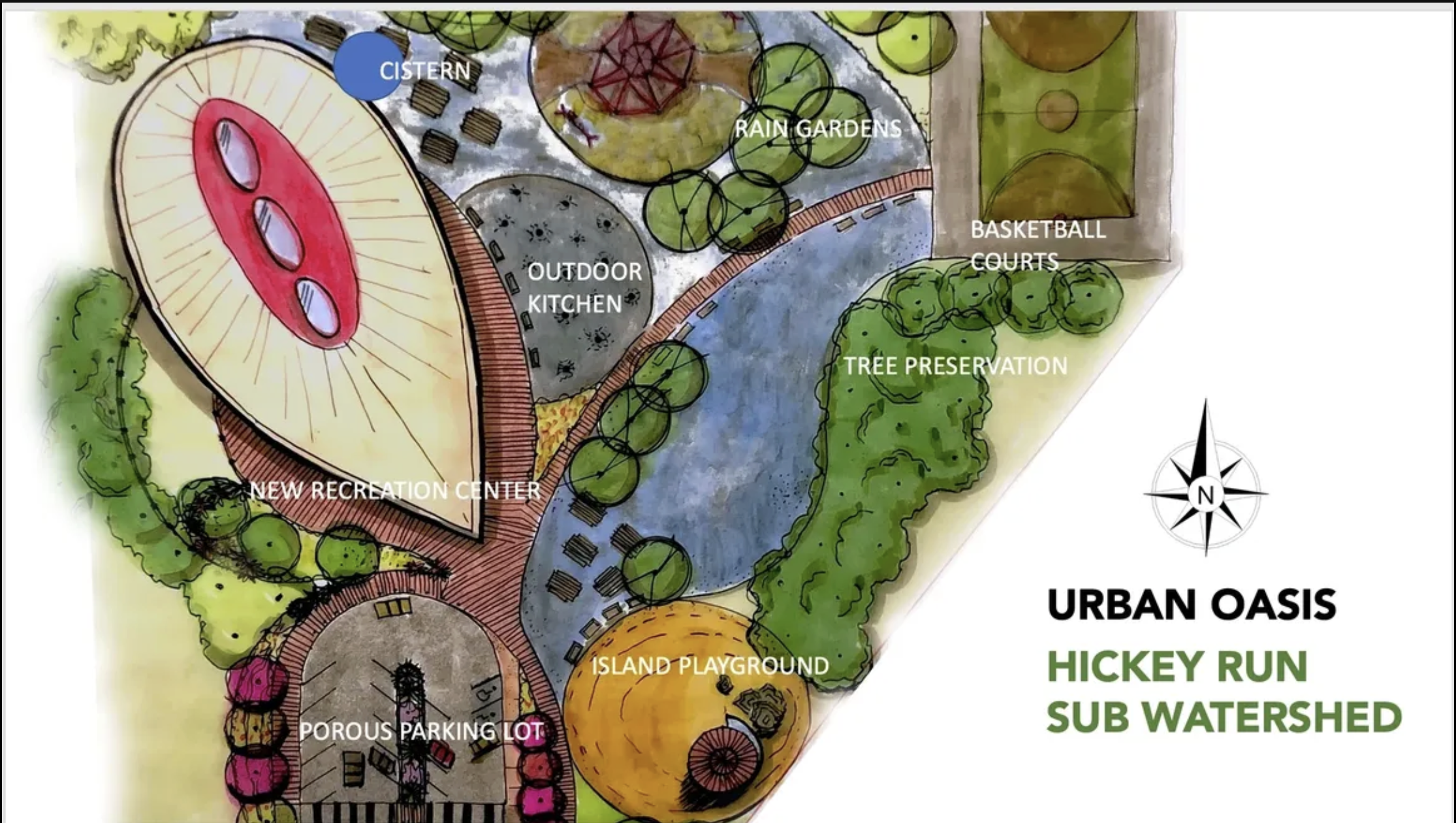
Hickey Run Subwatershed
2412 Rand Place NE
Students developed a concept titled Urban Oasis, which included:
A new recreation center
Tree preservation strategies
An island playground
Porous parking lot
Outdoor kitchen
Rain gardens
Basketball courts
Cistern integration
The proposal demonstrated how stormwater infrastructure could double as public space and neighborhood investment.
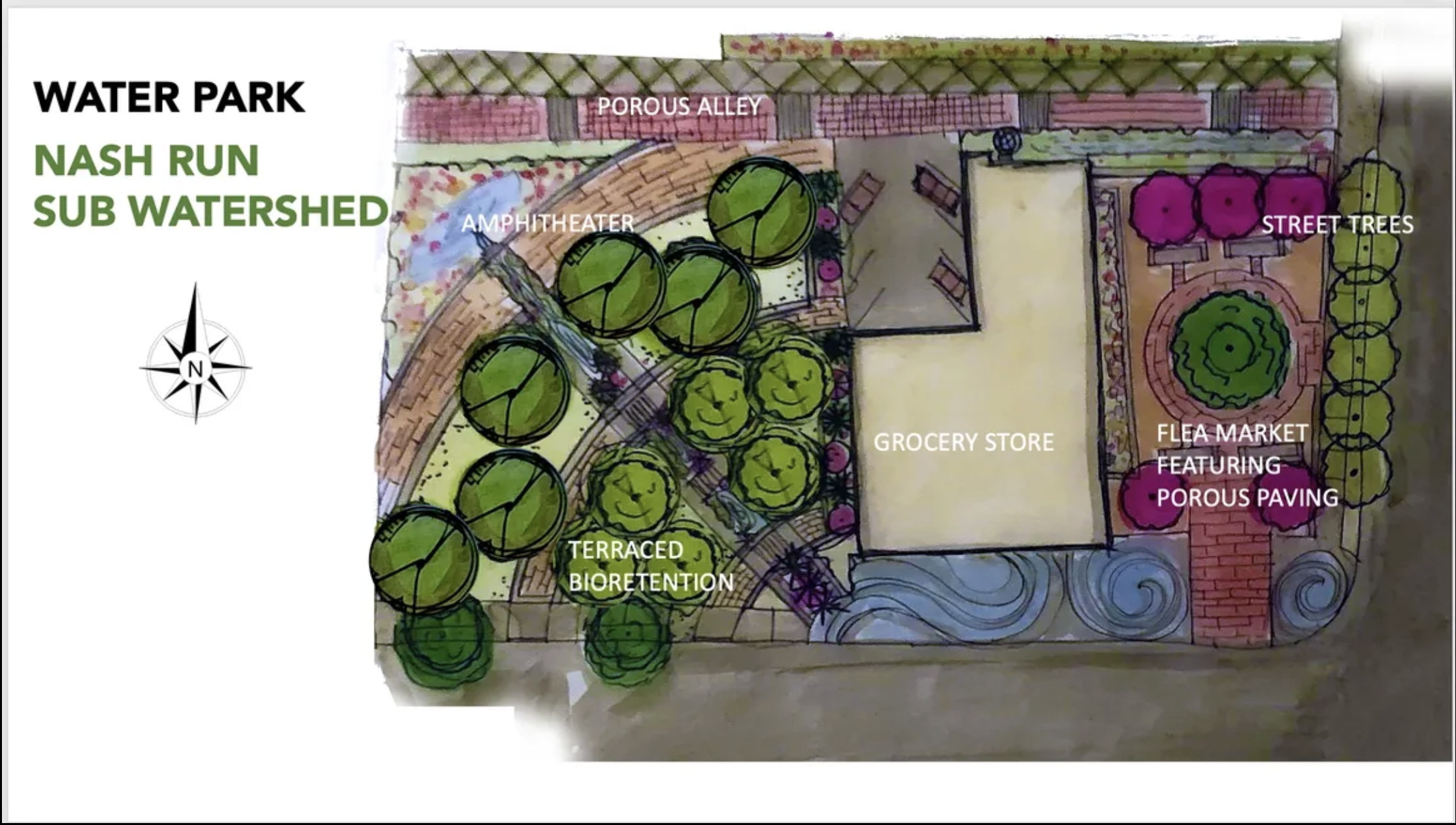
Nash Run Subwatershed
4748 Sheriff Road NE
Students developed a Water Park concept featuring:
Terraced bioretention
Porous paving
Street trees
Amphitheater
Porous alley
Grocery store and flea market plaza integration
The design addressed runoff mitigation while strengthening commercial activity and public gathering space.


At a Glance




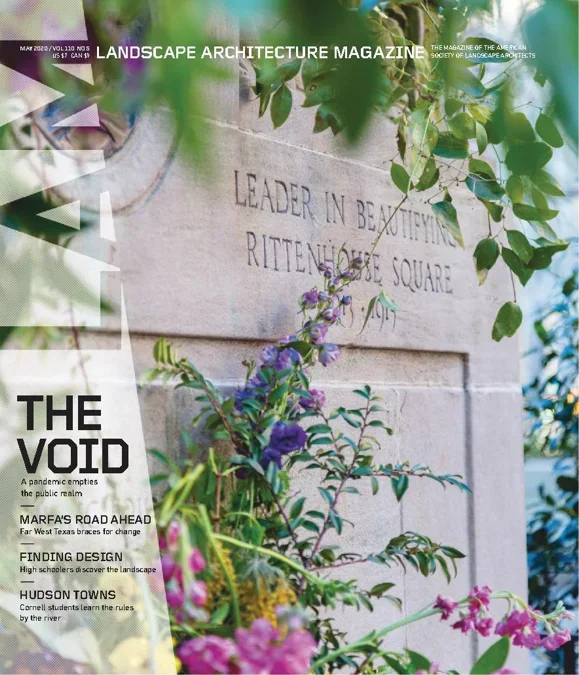
Landscape Architecture Magazine
Featured in:
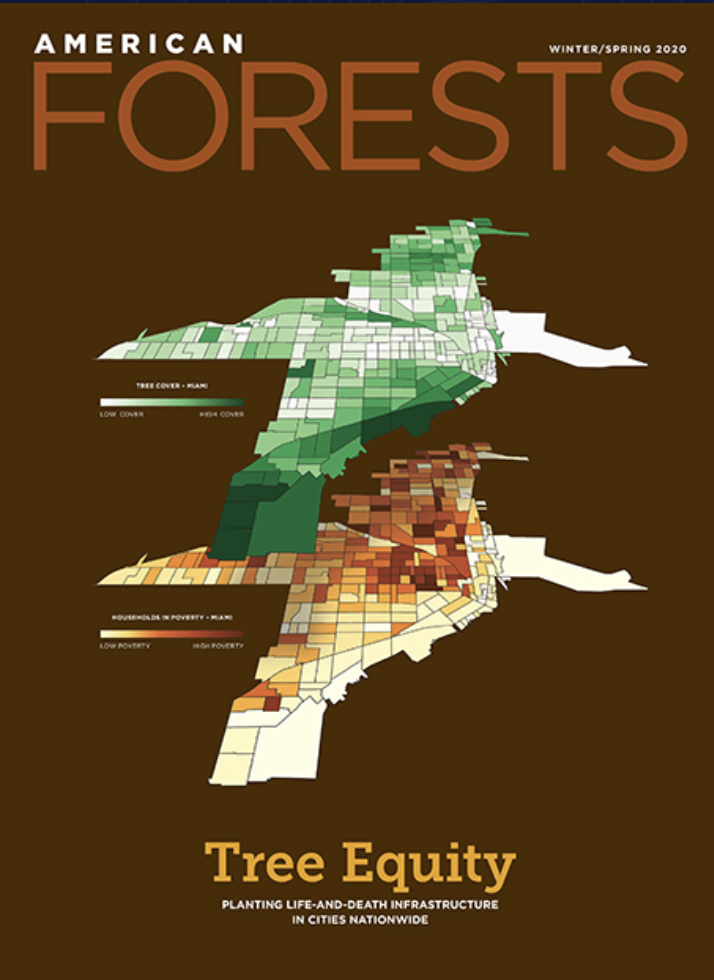
American Forests Magazine

ASLA’s The Dirt blog
Thank you to our Project Partners
Academy of Construction and Design
IDEA Public Charter School
Howard University College of Engineering and Architecture
National Building Museum
Landscape Architecture Foundation
American Society of Landscape Architects
DC Office of Planning
Anacostia Riverkeepe
SmithGroup
Additional local educators, designers, and environmental leaders