
MARC Station Greenprint

West Baltimore, Maryland
The West Baltimore Thriving Communities initiative aims to reimagine vacant spaces within a quarter-mile radius of the West Baltimore MARC station, transforming them into community assets while building the capacity of local organizations to implement and maintain these improvements.
The Urban Studio’s contribution helped connect community input to site-based schematic thinking. By pairing resident dialogue with tangible lot concepts, the Greenprint process stayed focused on implementation, not abstraction.
Supporting Community-Led Vacant Lot Activation in West Baltimore
The Urban Studio’s role in this project focused on translating community priorities into tangible, site-based possibilities.
For multi-year greening efforts to succeed, community vision must align with organizational capacity. The Greenprint process acknowledged that design ideas and institutional readiness must advance together.
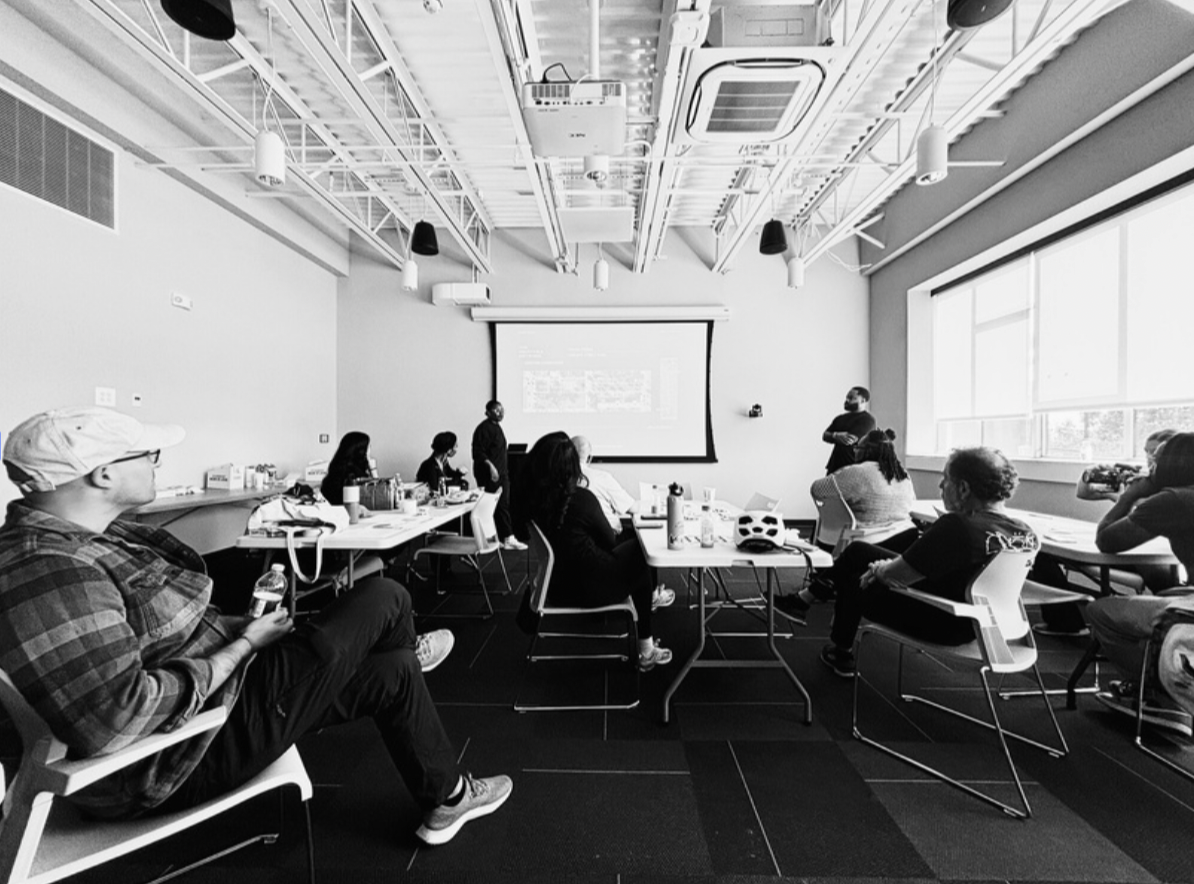
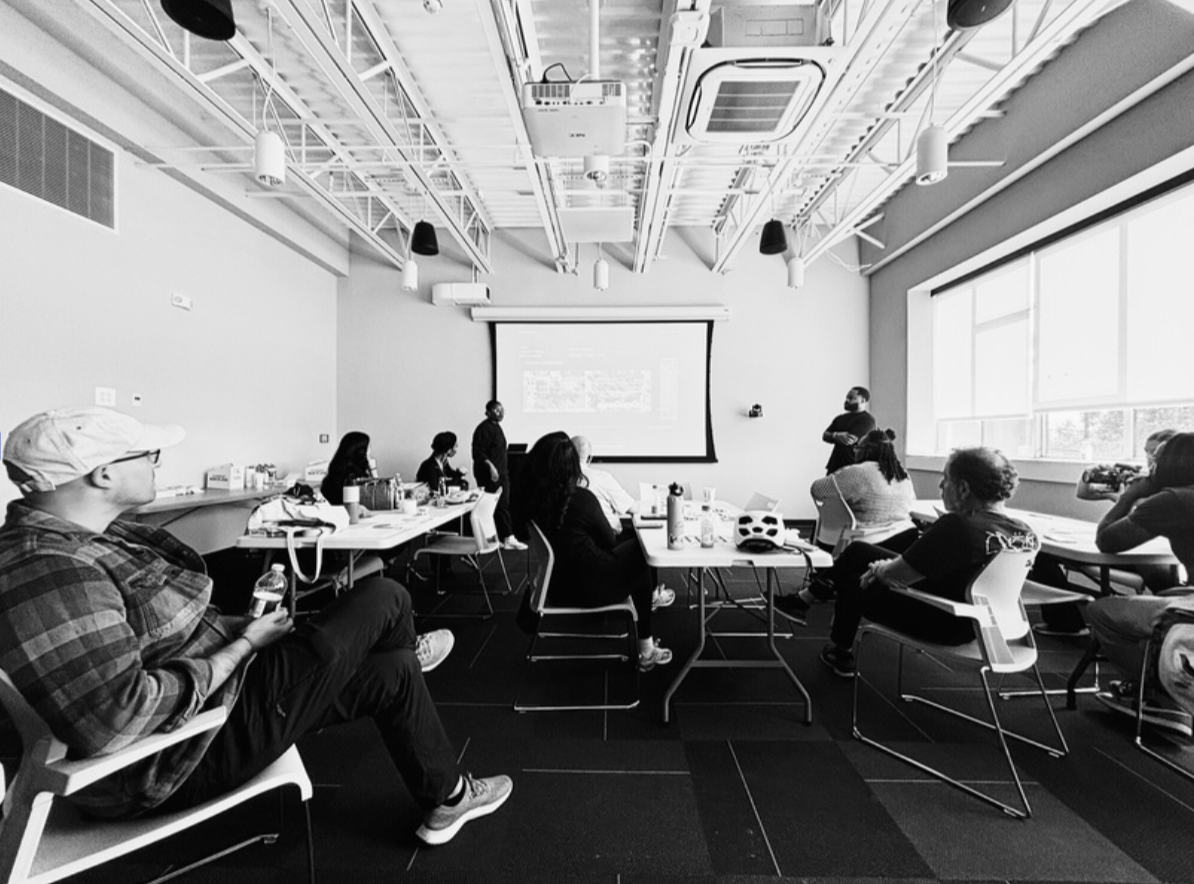
The work unfolded through a series of in-person community meetings, anchor group sessions, intercept surveys, and virtual capacity-building interviews across Midtown Edmondson, Franklin Square, Fayette Street Outreach, and Bon Secours Community Works.
Grounding Planning in Lived Experience
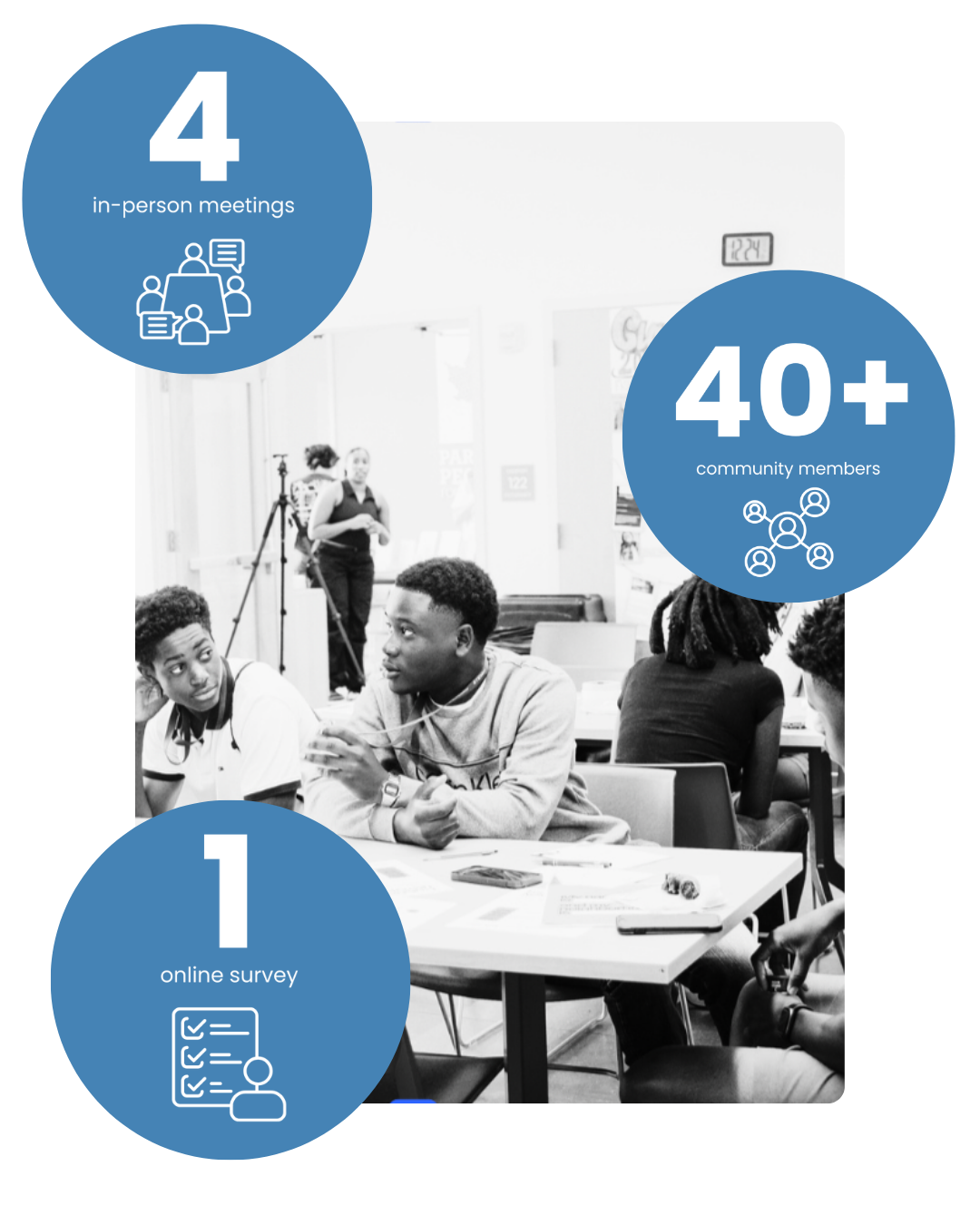
Between January and February 2025, engagement sessions were held with residents and anchor organizations across Midtown Edmondson, Franklin Square, Fayette Street Outreach, and Bon Secours Community Works.
These meetings surfaced consistent themes:
Residents want visible improvements, not plans alone.
Vacant lot greening should strengthen, not displace, existing housing.
The farmers market near the bus terminal remains a priority.
Trust depends on implementation
The Urban Studio helped frame discussions, structure polling exercises, and prepare materials that clarified the Greenprint process and translated abstract planning language into accessible terms.
Parallel capacity-building interviews with organizations such as Franklin Square Community Association examined current projects, resource constraints, and readiness to participate in implementation phases.
Visualizing Vacant Lot Possibilities
Rather than asking residents to react to policy language, we co-developed clear visual tools illustrating what a typical vacant lot could support.
Drawing from precedent research on vacant lot treatments and neighborhood-scale greening strategies, we prepared schematic diagrams and reference imagery to ground discussion in real-world possibilities.
Concepts explored included:
Community gardens and permaculture
Public art and small gathering spaces
Market-supporting and neighborhood activation uses
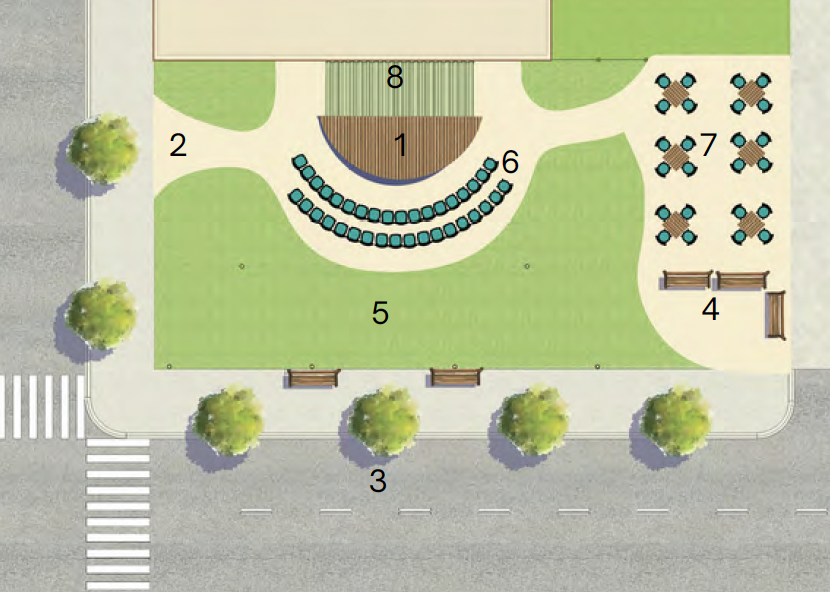
Platform/stage
Pavers
Trees
Bench seating
Lawn
Event seating
Cafe tables
Shipping container
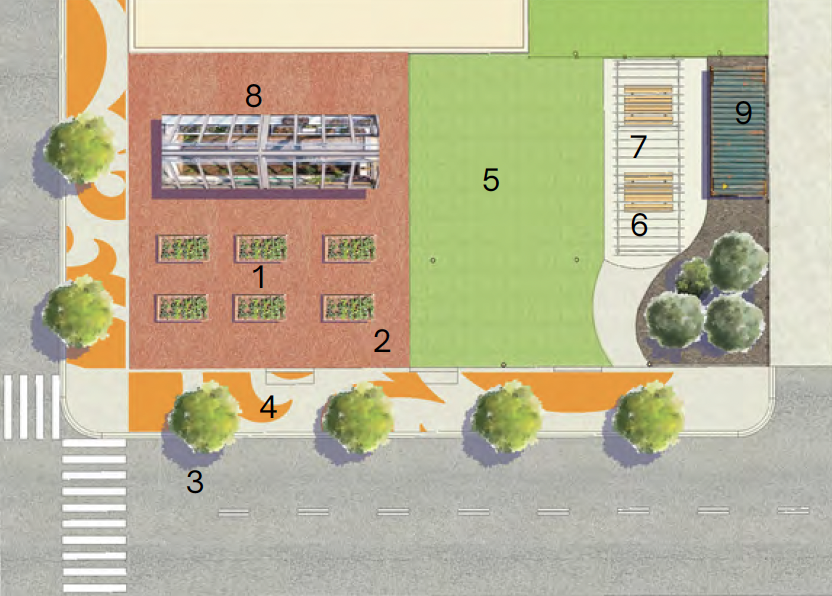
Raised planters
Soft ground cover
Trees
Traffic calming
Lawn
Canopy
Picnic tables
GreenHouse
Shipping container
These visuals were not final designs. They functioned as working prototypes, allowing residents to evaluate tradeoffs and identify priorities.